Laparoscopy for Infertility
Laparoscopy for Infertility at Dr. Plabani Sarkar Fertility & IVF Specialist
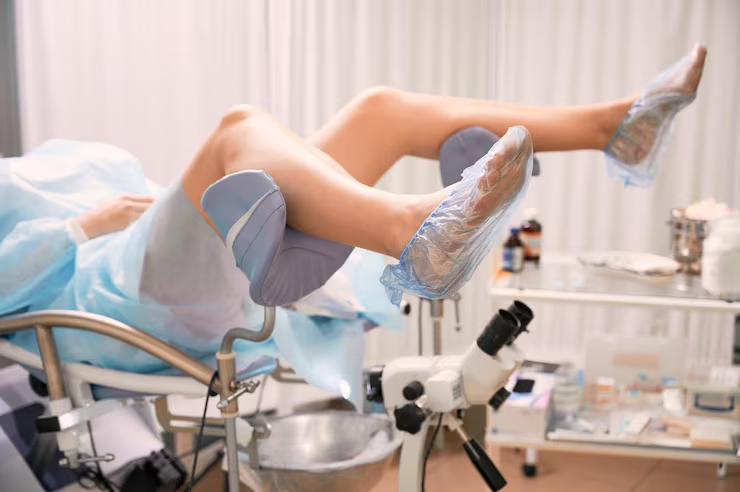
At Dr. Plabani Sarkar Fertility & IVF Specialist, we offer laparoscopic surgery as a highly effective treatment option for infertility. Laparoscopy for infertility is a minimally invasive surgical procedure used to diagnose and treat conditions that may be causing infertility. This technique uses small incisions and a camera to provide a clear view of the pelvic organs and reproductive system.
Laparoscopy for infertility can help identify and treat conditions like endometriosis, pelvic adhesions, fibroids, and blocked fallopian tubes. It provides a quicker recovery time, reduced scarring, and a higher chance of successful treatment compared to traditional open surgery.
Our Laparoscopy for Infertility Services
-
Diagnostic Laparoscopy - We use laparoscopy to diagnose the causes of infertility, such as endometriosis, fibroids, adhesions, and pelvic infections, by directly visualizing the reproductive organs.
-
Adhesion Removal - Laparoscopic surgery is effective in removing pelvic adhesions (scar tissue) that can block the fallopian tubes or prevent egg implantation, improving fertility chances.
-
Endometriosis Treatment - Laparoscopy can be used to remove endometrial tissue outside the uterus that may be causing infertility, pain, and irregular periods.
-
Fibroid Removal - Uterine fibroids, which can interfere with implantation and pregnancy, can be safely removed using laparoscopy, preserving the uterus and improving fertility.
-
Fallopian Tube Surgery - If your fallopian tubes are blocked, laparoscopic surgery can be used to clear the blockages, helping to restore fertility and increase the chances of conception.
-
Polycystic Ovary Syndrome (PCOS) Treatment - Laparoscopy can help treat PCOS-related infertility by surgically removing cysts from the ovaries to restore ovulation and improve fertility.
-
Tubal Ligation Reversal - If you’ve previously undergone a tubal ligation and now wish to restore fertility, laparoscopy can be used for tubal reversal surgery, offering a minimally invasive alternative to traditional surgery.
Why Choose Dr. Plabani Sarkar Fertility & IVF Specialist?
-
Minimally Invasive Approach - Laparoscopic surgery for infertility is less invasive, resulting in smaller incisions, less pain, and quicker recovery compared to traditional surgery.
-
Expert Surgical Care - Dr. Plabani Sarkar is highly skilled in performing laparoscopic surgery for infertility-related conditions, ensuring the best possible outcomes for patients.
-
Advanced Technology - Our clinic is equipped with state-of-the-art laparoscopic equipment, allowing for precise diagnosis and treatment of infertility-related issues.
-
Faster Recovery - Laparoscopic procedures result in less post-operative pain, faster healing, and quicker return to daily activities compared to open surgery.
-
Comprehensive Care - We offer a holistic approach to infertility treatment, providing support before, during, and after laparoscopic surgery to improve fertility outcomes.
What is laparoscopy for infertility?
Laparoscopy for infertility is a minimally invasive procedure that uses a small camera to examine the reproductive organs. It helps diagnose and treat various infertility issues like endometriosis, fibroids, and blocked fallopian tubes.
What conditions can laparoscopy treat for infertility?
Laparoscopy can treat conditions such as blocked fallopian tubes, endometriosis, fibroids, polycystic ovary syndrome (PCOS), and pelvic adhesions that contribute to infertility.
How is laparoscopic surgery for infertility performed?
During laparoscopic surgery, small incisions are made in the abdomen, and a camera is inserted to view the reproductive organs. The surgeon can then perform necessary procedures, such as removing fibroids, clearing blockages, or treating endometriosis.
Is laparoscopic surgery safe for infertility treatment?
Yes, laparoscopic surgery is considered safe and effective for treating infertility. It is minimally invasive, reduces recovery time, and has a low risk of complications compared to traditional open surgery.
What is the recovery time after laparoscopic infertility surgery?
Recovery time is generally short after laparoscopic surgery. Most patients can return to work and light activities within a few days, with full recovery typically occurring within a week or two.
Get Started Today
Start your journey toward fertility and better reproductive health with laparoscopic surgery.
-
-
-
Building No.297, Ground Floor, AECS Layout - A Block, Kundalahalli, Brookefield, Bengaluru, Karnataka 560037
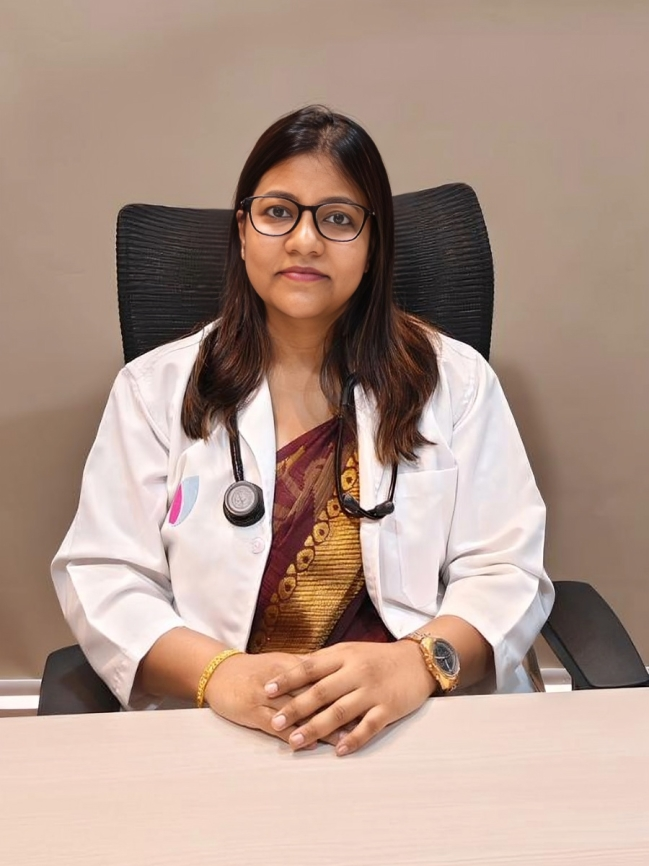
Dr. Plabani Sarkar
Fertility & IVF Specialist

.svg)
.svg)
.svg)
.svg)